


Description
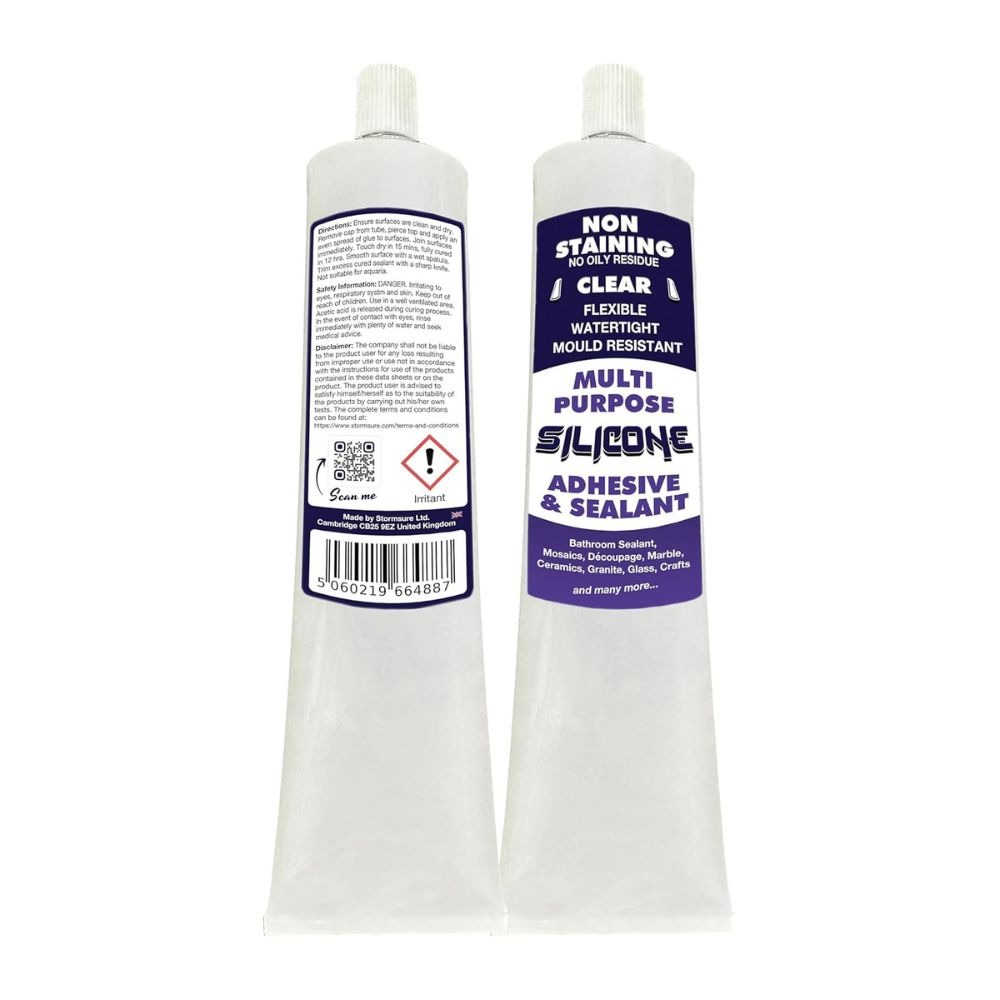
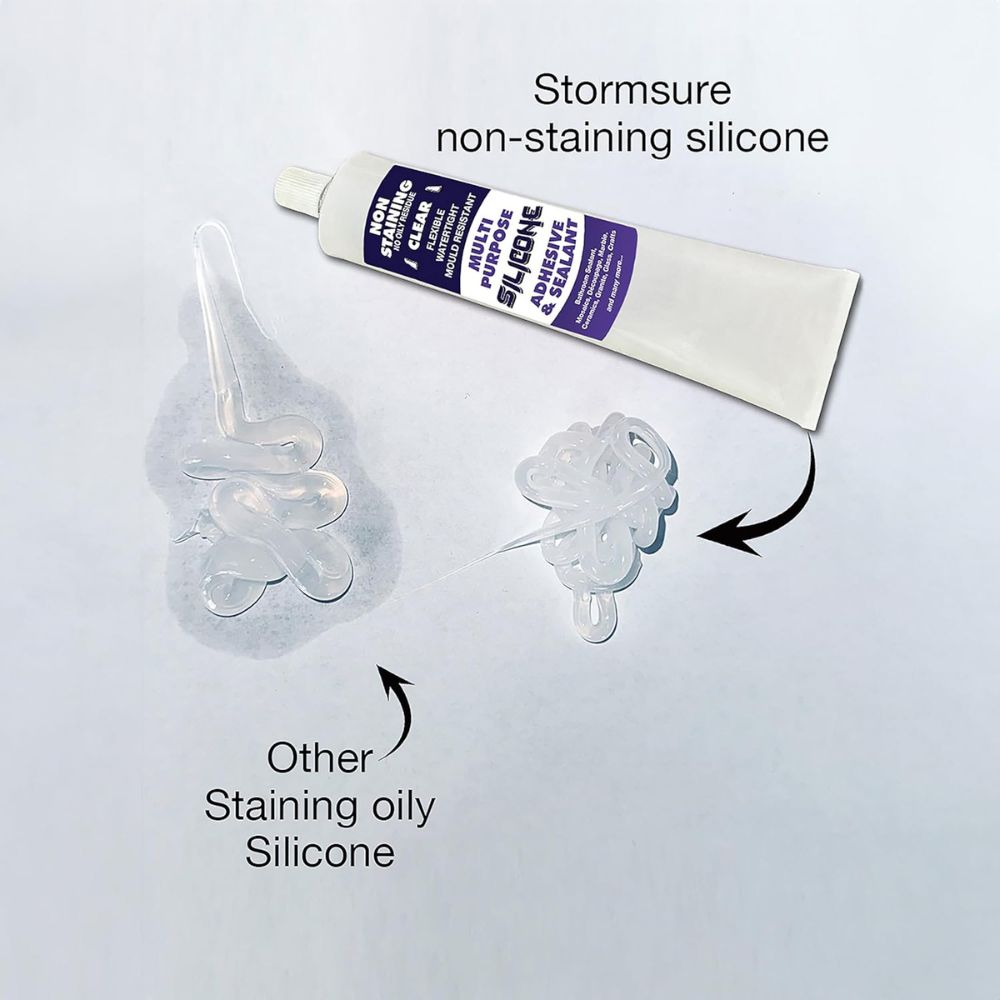
Non-Staining Silicone Sealant Silicone Non-Staining (80ml) Stormsure
Stormsure Silicone Sealant is a silicone-based seam sealer and repair adhesive for silicone-coated fabrics. It is specifically designed for silnylon and silpoly materials, where standard PU seam sealers do not bond properly and repairs often fail over time.
This is an important difference especially with tarps, ultralight tents, and other silicone-coated shelters. Many repair products seem to work at first, but the first heavy rain or fabric tension quickly reveals that the seam never properly sealed. Stormsure Silicone Sealant is made for exactly that problem.
The Right Sealant for the Right Fabric
Silicone-coated fabric behaves very differently from PU-coated tent fabric. If the seam sealer is not compatible with the material, it may peel off, crack, or simply sit on the surface without proper adhesion. That is why a silicone-based sealant is not an optional extra for silnylon and silpoly shelters—it is essential. This applies especially to tarps, ultralight tents, and lightweight shelters where seam waterproofing determines whether the whole shelter actually works.
Suitable for Seam Sealing and Small Repairs
The product can be used for sealing new seams as well as repairing small holes, needle holes, and worn areas.
It works especially well for:
- silnylon tarps and tents
- silpoly tarps and tents
- silicone-coated bivy shelters
- lightweight rain and protective fabrics
This is not a universal glue or repair compound for everything. PU-coated tents and completely different materials require a different product.
Clear and Flexible Finish
Stormsure Silicone Sealant dries into a flexible and transparent finish, making repairs far less visible than with many thicker patching compounds. This matters especially with lightweight tarp fabrics, where a stiff or heavy repair patch can affect how the fabric tensions and performs. Because silicone-coated fabric moves constantly under tension and changing weather conditions, the sealant also needs to stay flexible instead of simply drying into a hard surface.
Apply Thinly – More Is Not Better
One of the most common mistakes with seam sealer is applying too much. A thick layer does not improve waterproofing. Instead, it often slows drying, attracts dirt, and makes the seam unnecessarily heavy. The best result comes from a thin, even layer applied to a clean and dry surface. A well-sealed seam should look almost invisible.
Technical Specifications
- Volume: 80 ml
- Type: silicone-based seam sealer
- Suitable for: silnylon, silpoly, silicone-coated fabrics
- Use: seam sealing, small repairs, hole patching
- Finish: flexible, transparent surface
- Not suitable for: PU-coated fabrics without separate verification
- Product includes: Silicone Sealant 80 ml
Notes
- A clean surface determines the final result. Grease, dirt, or old loose seam sealer reduce adhesion more than the quality of the sealant itself.
- It is always better to test the seam before a longer trip, not during the first heavy rain. Ridgeline seams, corners, and high-tension tie-out points will quickly show whether the repair was done properly.
- If you are not sure whether the fabric is silicone-coated or PU-coated, check before applying anything. The wrong seam sealer often looks fine at first but fails when it matters.
Stormsure Silicone Sealant – Instructions for Use
1. Clean the Repair Area
The seam or repair area must be:
- dry
- clean
- grease-free
- dust-free
Old loose seam sealer should be removed before applying a new layer. A dirty surface is the most common reason for poor adhesion.
2. Apply a Thin Layer
Apply the sealant:
- over the seam
or - over a small hole or worn area
The best result comes from: thin and even layer, not a thick mass.
A layer that is too thick:
- dries slowly
- collects dirt
- can remain sticky
- does not improve waterproofing
You can apply it using for example:
- a small brush
- a finger with a protective glove
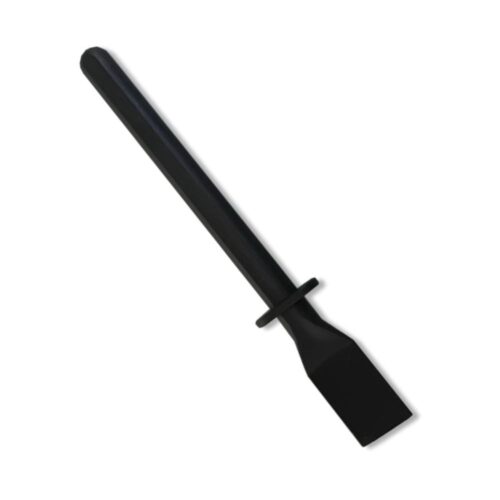
- a plastic spreader
3. Let It Dry Properly
Allow the sealant to dry completely before packing or using the gear.
Drying time depends on:
- layer thickness
- temperature
- humidity
In practice: at least 12–24 hours is a safe starting point. Do not pack your tarp or tent tightly before it is fully cured.
4. Test Before Your Trip
Do not test it for the first time in heavy rain.
Check especially:
- ridgeline seams
- corners
- tie-out points
- repair patches
A simple water test at home saves major problems in the field.
Expert Note
- Many people only apply seam sealer on the outside, but in some areas a light application on the inside also improves the result significantly—especially on ridgeline seams and high-tension tie-out points.
- A good seam should look almost invisible. If the sealant is clearly visible as a thick layer, there is usually too much of it.
Reviews
There are no reviews yet